
The Ordinary Diploma in Community Development is a three-year program designed to provide a solid foundation for careers in community and social services. It equips students with essential knowledge, practical skills, and hands-on field experience to effectively support, empower, and improve the well-being of communities. The program emphasizes the development of critical competencies, including project planning, community assessment, program implementation, and impact evaluation. Students gain practical experience in working with diverse populations, addressing social challenges, and promoting sustainable community development initiatives.
Additionally, the course fosters ethical practice, effective communication, and leadership skills, enabling graduates to respond confidently to community needs and contribute positively to social development efforts. This diploma serves as a key stepping stone for further studies or professional advancement in social work, community development, and related fields.
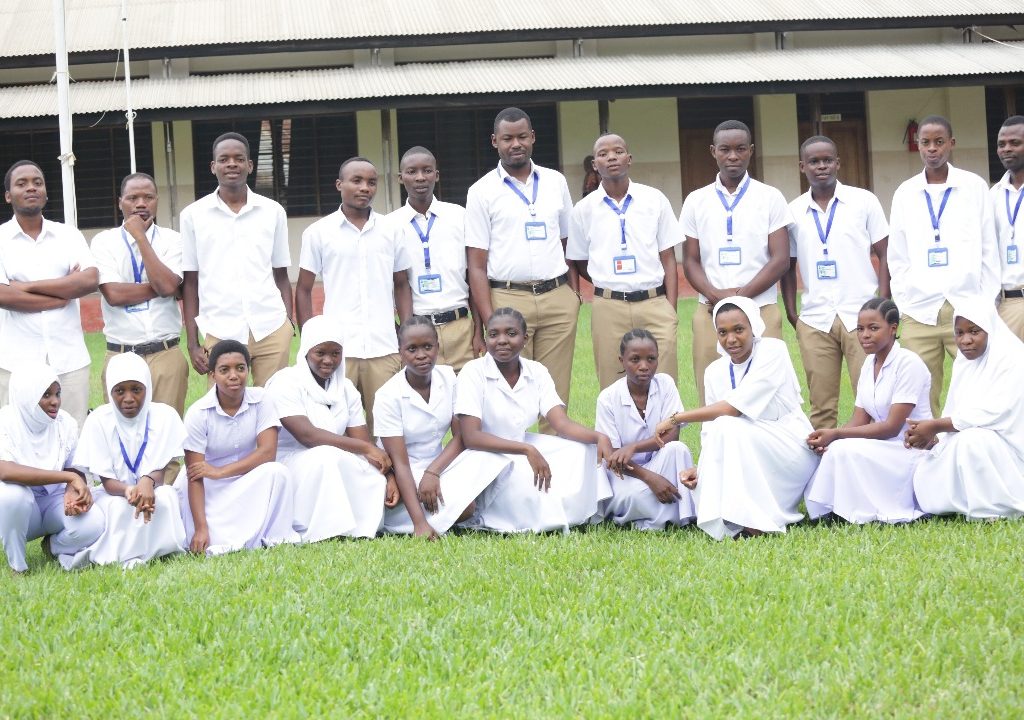

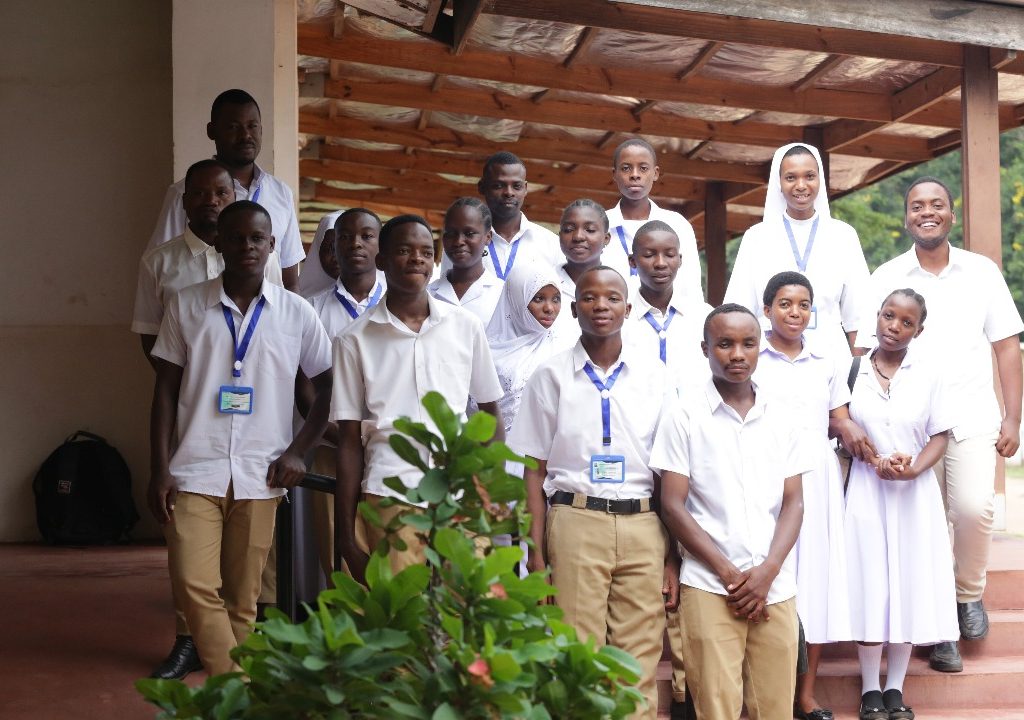

| Course Name | Ordinary Diploma in Community Development |
|---|---|
| Course Level | Diploma |
| Mode of Study | Full Time |
| Program Duration | Three (3) Years |
| Admission Requirements | Holders of Certificate of Secondary Education Examination (CSEE) with at least four (4) passes in non-religious subjects OR National Vocation Award (NVA) Level III with a Certificate of Secondary Education Examination (CSEE. Holders of Basic Technician Certificate (NTA Level 4) in Community Development, Social Work, Gender, Youth Work OR Advanced Certificate of Secondary Education Examination (ACSEE) with at least one Principal pass and one Subsidiary in Principal subjects. |
| Course Fee | Local Fee: TSH 1,000,000/= |
| Applications | Click here to APPLY. |
Pursuing an Ordinary Diploma in Community Development Provides Many Opportunities
Career in Community Services
Work with NGOs, government agencies, and local organizations to support community development initiatives.
Contribution to Social Change
Directly impact and improve the well-being of communities.
Project Management Skills
Plan, implement, and evaluate community projects effectively.
Social Work Opportunities
Engage in social welfare programs, child protection, and family support services.
Research Opportunities
Conduct community-based research to inform development strategies.
Policy and Advocacy
Participate in shaping policies and advocating for community needs
Capacity Building
Train and empower community members through workshops and programs.
Further Education
Progress to higher diplomas or degrees in social work, development studies, or public administration.
Leadership Roles
ake up supervisory or coordinating positions in community programs.
Networking
Build connections with professionals, NGOs, and government institutions in the development sector.