
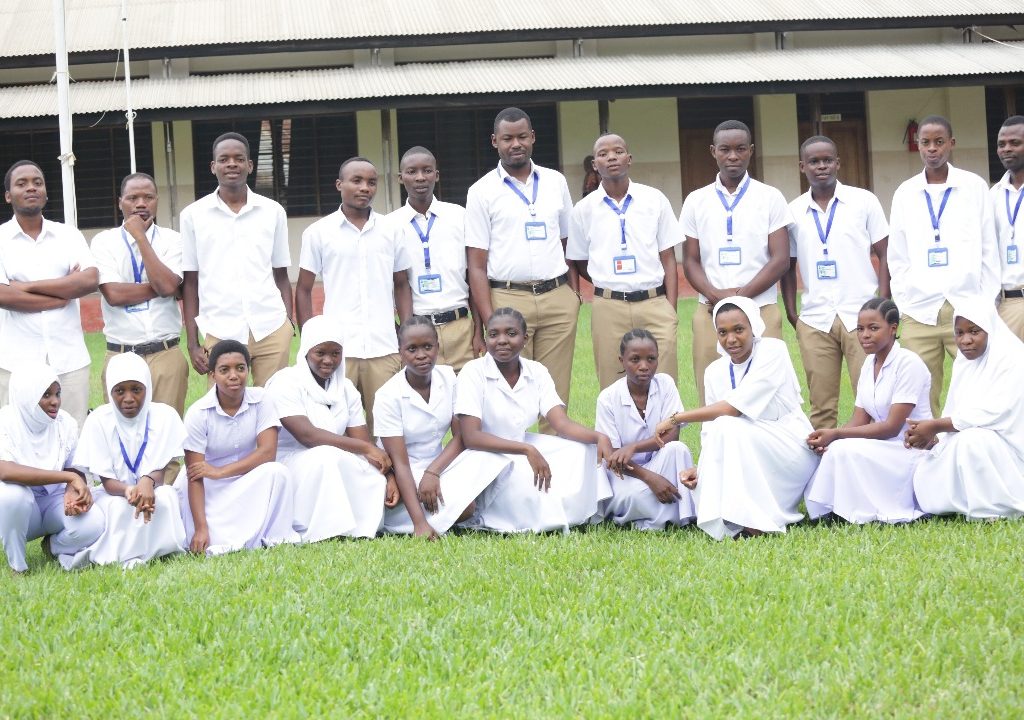
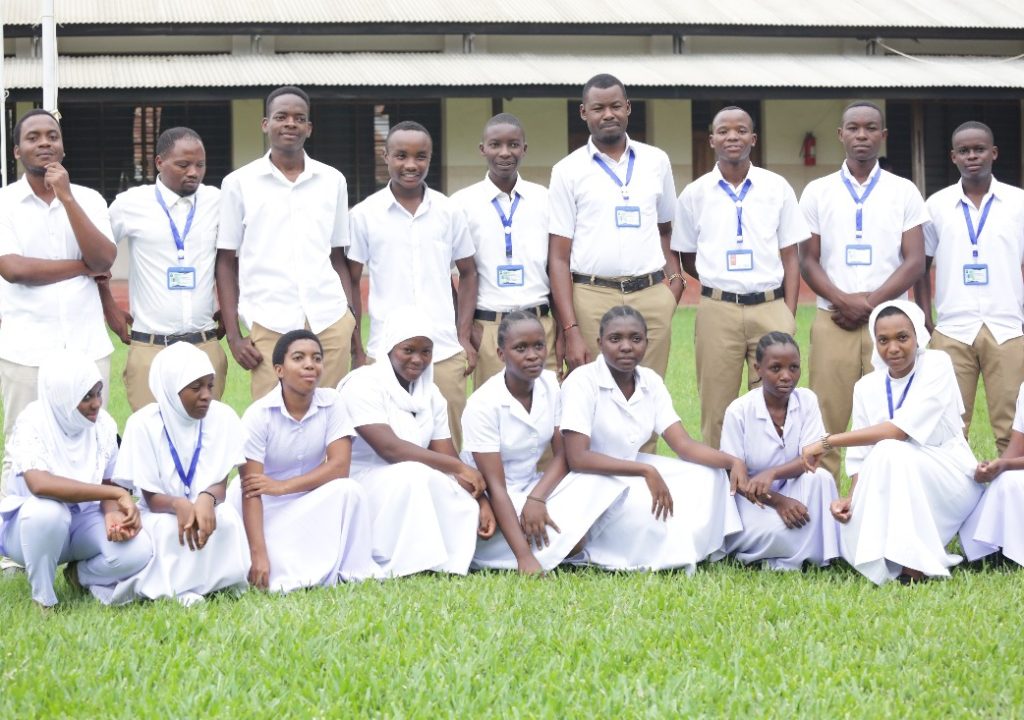
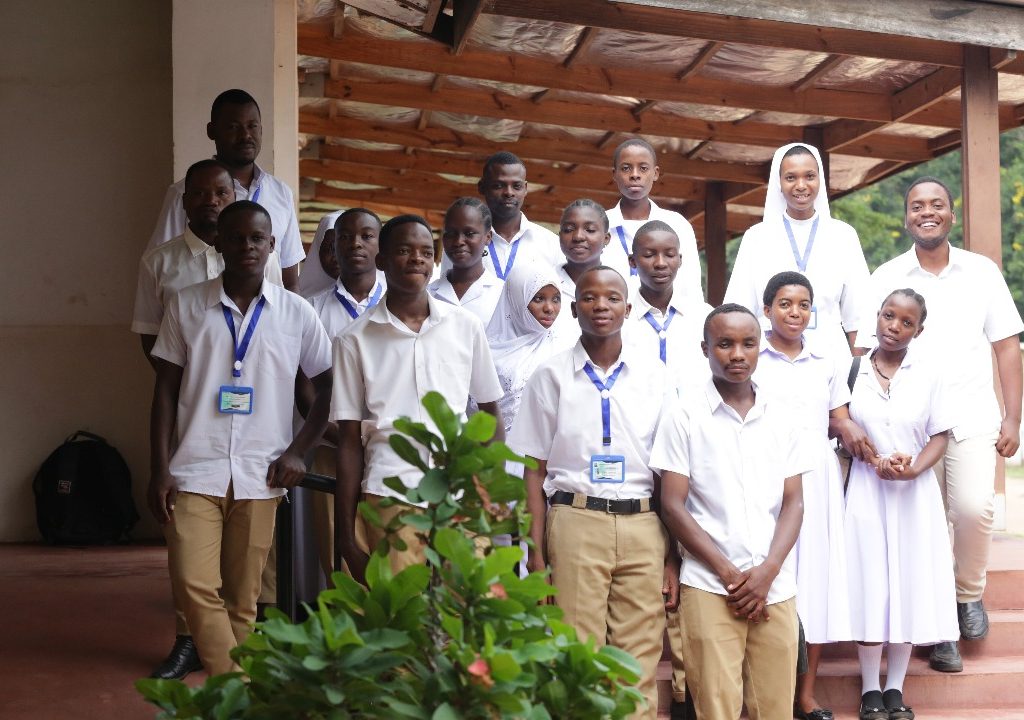
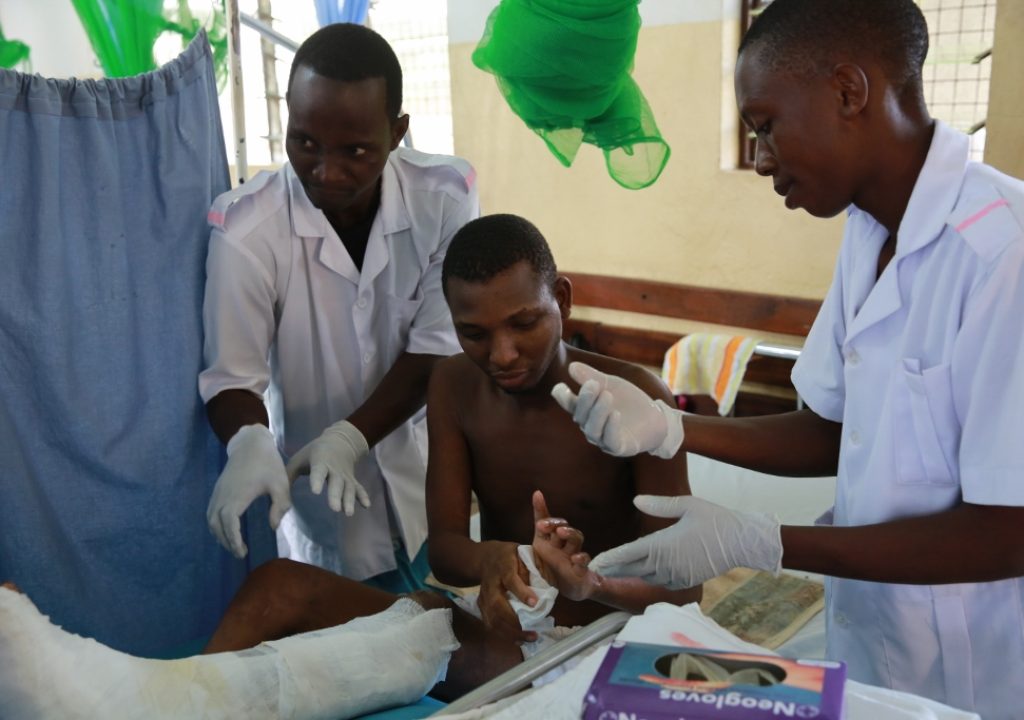
The Ordinary Diploma in Clinical Medicine is a comprehensive three-year program that provides a foundational entry point into the medical profession. It is designed to equip students with the essential knowledge, clinical skills, and practical experience required to assess, diagnose, and manage patients effectively. The program emphasizes both theoretical learning and hands-on clinical training, preparing students to deliver safe, efficient, and compassionate patient care across a variety of healthcare settings. Students gain the competencies necessary to assess, plan, implement, and evaluate patient care, with a focus on preventing, diagnosing, and managing common health conditions.
Additionally, the course covers maternal and child health services, fostering an understanding of patient-centered care. It also emphasizes the development of critical clinical skills, ethical practice, and effective communication, enabling graduates to respond confidently to diverse healthcare needs and contribute meaningfully to the medical system.


| Course Name | Ordinary Diploma in Clinical Medicine |
|---|---|
| Course Level | Diploma |
| Mode of Study | Full Time |
| Program Duration | Three (3) Years |
| Admission Requirements | Holders of Certificate of Secondary Education Examination (CSEE) with at least four (4) passes in non-religious subjects includinge Chemistry, Biology and Physics/Engineering Sciences. A pass in Basic Mathematics and English Language is an added advantage. |
| Course Fee | Local Fee: TSH 1,600,000/= |
| Applications | Click here to APPLY. |
Pursuing an Ordinary Diploma in Clinical Medicine Provides Many Opportunities
Entry into the Medical Profession
Provides a recognized pathway for starting a career in healthcare.
Comprehensive Knowledge
Equips students with essential theoretical understanding of medical sciences.
Practical Clinical Skills
Offers hands on experience in patient care, diagnostics, and treatment.
Professional Competency Development
Builds abilities in decision-making, communication, and ethical practice.
Employment Opportunities
Opens doors to work in hospitals, clinics, and community health programs.
Foundation for Further Studies
Acts as a stepping stone for higher qualifications in medicine or specialized fields.
Contribution to Community Health
Enables graduates to provide essential healthcare services and improve public health.
Personal Growth
Enhances problem solving, critical thinking, and confidence in clinical settings.